Thinking about making Austin your new home? You’re not alone. Austin has become one of America’s most desirable cities, attracting families, young professionals, and retirees from across the country. Known for its vibrant music scene, thriving job market, and outdoor lifestyle, Austin offers a unique blend of big-city opportunities and laid-back charm. However, rapid growth has also brought challenges like rising costs and increased traffic. In this blog post, Austin real estate expert Dallas Seely discusses what it’s really like living in Austin, Texas, and what you need to know before making your move.
Is Austin a Good Place to Live?
Yes, living in Austin is excellent for most people. The city offers strong job opportunities, a thriving cultural scene, year-round outdoor activities, and diverse neighborhoods suitable for various lifestyles. While the cost of living has risen significantly in recent years, many residents find the quality of life, career prospects, and community atmosphere worth the investment.
Key Takeaways
- Austin combines a booming tech economy with world-class entertainment, making it ideal for career-focused individuals and families seeking cultural richness
- The cost of living is approximately 29% above the national average, with median home prices around $500,000-$600,000 and rentals averaging $1,400-$2,500 monthly
- The city offers something for everyone, from walkable urban neighborhoods like South Congress to family-friendly suburbs such as Cedar Park and Round Rock with top-rated schools
- Summer heat regularly exceeds 100°F, and traffic congestion on major highways can be challenging, but residents enjoy no state income tax and abundant green spaces
To Discuss Your Home Sale or Purchase, Call or Text Today and Start Packing!
| Category | Key Information |
|---|---|
| Population | ~1 million (metro area ~2.3 million) |
| Cost of Living | 29% above national average |
| Median Home Price | $500,000 – $600,000 |
| Rent (1-Bedroom) | $1,400 – $1,900/month |
| Rent (2-Bedroom) | $1,800 – $2,500/month |
| Property Tax Rate | 1.8% – 2% annually (no state income tax) |
| Unemployment Rate | ~3.5% (below national average) |
| Major Industries | Technology, Healthcare, Education, Creative |
| Climate – Summer | 95°F – 105°F+ (June – September) |
| Climate – Winter | Average low 40°F (mild, minimal snow) |
| Sunny Days/Year | ~300 days |
| Best Neighborhoods (Singles) | South Congress, East Austin, Downtown |
| Best Neighborhoods (Families) | Cedar Park, Round Rock, Westlake, Mueller |
| Top School Districts | Eanes ISD, Lake Travis ISD, Round Rock ISD |
| Average Commute Time | 30-60 minutes (peak hours) |
| Public Transit | Limited – Capital Metro (bus & light rail) |
| Childcare Costs | $1,000 – $1,500/child per month |
| Notable Features | Live Music Capital, 200+ parks, BBQ & food trucks |
| Best Moving Season | Spring (March-May) or Fall (October-November) |
Austin’s Culture and Entertainment Scene
Austin truly lives up to its title as the “Live Music Capital of the World.” Every night of the week, you’ll find live performances at venues ranging from intimate clubs like the Continental Club to massive festivals such as South by Southwest and Austin City Limits. The music scene isn’t just for tourists—it’s woven into the fabric of daily life for residents who regularly enjoy everything from blues and country to indie rock and electronic music.
Beyond music, Austin’s food culture has exploded in recent years. You can start your morning at a beloved breakfast taco truck, grab lunch from one of hundreds of food trucks scattered throughout the city, and finish with dinner at upscale restaurants like Uchi or traditional BBQ joints that draw lines around the block. The city’s “Keep Austin Weird” motto reflects its eclectic mix of quirky shops, independent bookstores, vintage boutiques, and local coffee shops that give the city its distinctive character. Regular events like the Texas Book Festival, farmers’ markets, and neighborhood street festivals create a sense of community that larger cities often lack.
“Austin’s culture is what makes living here special. You’re never more than a few minutes from live music, incredible food, or a community event that brings neighbors together. It’s a city that celebrates creativity and individuality while maintaining a welcoming, down-to-earth vibe.” – Dallas Seely
Job Opportunities and Economic Growth
Austin’s economy has transformed dramatically over the past decade, earning its reputation as a major tech hub. Companies like Tesla, Dell, Oracle, and Apple have established significant operations here, creating thousands of high-paying jobs. The unemployment rate typically hovers around 3.5%, well below the national average, and the city continues attracting both established corporations and innovative startups across technology, healthcare, education, and creative industries.
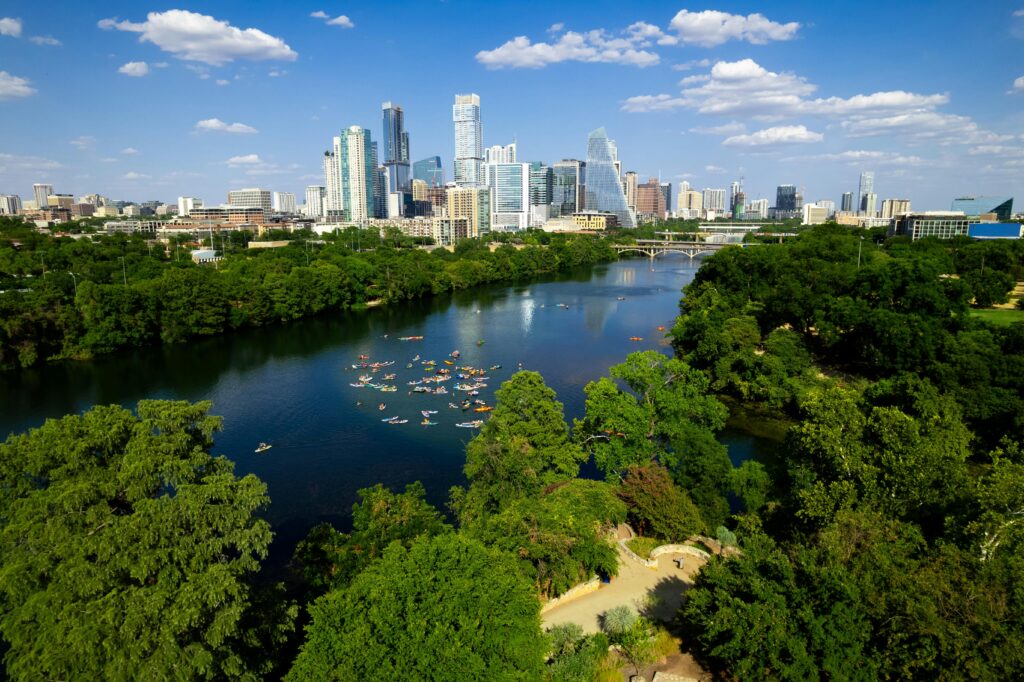
For young professionals and career-focused individuals, Austin offers exceptional networking opportunities through meetups, tech conferences, and coworking spaces throughout the city. The presence of the University of Texas at Austin adds an educational and research component that fuels innovation and attracts talent. Remote workers have also discovered Austin’s appeal, drawn by the quality of life, networking opportunities, and relatively favorable cost of living compared to coastal tech hubs like San Francisco or New York.
Key employment sectors include:
- Technology and software development – Major employers and countless startups
- Healthcare and biotechnology – Growing medical research and hospital systems
- Education – University of Texas and numerous school districts
- Creative industries – Music, film, design, and digital media
The diverse economy means opportunities exist for various skill sets and career stages. However, competition for positions in saturated fields like tech can be intense, making networking and professional development essential for newcomers looking to break into Austin’s job market.
Cost of Living in Austin
Let’s be honest—Austin isn’t cheap anymore. The cost of living in Austin runs approximately 29% above the national average, with housing representing the largest expense for most residents. Median home prices in 2024-2025 range from $500,000 to $600,000, though prices vary significantly by neighborhood. Luxury properties in areas like Westlake Hills or downtown can reach into the millions, while more affordable options exist in suburbs like Pflugerville, Buda, and Kyle.
Rental prices also reflect the city’s growth. A one-bedroom apartment in central Austin typically costs $1,400 to $1,900 monthly, while two-bedroom units range from $1,800 to $2,500. Families seeking larger homes in suburban areas should budget $2,500 to $3,500 monthly for rentals, or $400,000 to $700,000 for purchasing. Housing costs in Austin continue rising due to demand, though the market has seen some stabilization recently.
Other cost considerations include:
- Property taxes – Around 1.8-2% of home value annually (though no state income tax)
- Childcare – Approximately $1,000-$1,500 per child monthly
- Utilities – Higher in summer due to air conditioning usage
- Transportation – Most residents need vehicles due to limited public transit
While these costs are substantial, many residents find the salary needed to live comfortably in Austin is achievable given the strong job market. Additionally, Austin’s cost of living compares favorably to other major tech hubs and offers more space and amenities than similarly priced cities on the coasts.
Neighborhoods for Every Lifestyle
One of Austin’s greatest strengths is its diverse neighborhoods, each offering a distinct personality and lifestyle. For singles and young professionals, areas like South Congress (SoCo), East Austin, and downtown provide walkable, trendy environments with easy access to bars, restaurants, cafes, and nightlife. These neighborhoods attract creative types and those who want to be in the heart of the action, though rent and home prices reflect their desirability.
Families often gravitate toward suburbs that offer more space, top-rated schools, and quieter environments. Cedar Park, Round Rock, Leander, and the Eanes Independent School District area (including Westlake) consistently rank among the best places to raise children. These communities feature excellent schools, family-oriented amenities like community pools and parks, and safer neighborhoods than some urban areas. Master-planned communities like Mueller offer the best of both worlds—family-friendly design with urban convenience and walkability.
Popular neighborhood categories:
- Urban core (Downtown, South Austin, East Austin) – Walkable, trendy, vibrant nightlife
- Family suburbs (Cedar Park, Round Rock, Westlake) – Top schools, spacious homes, community amenities
- Affordable options (Pflugerville, Buda, Kyle) – Budget-friendly, 20-30 minute commute to downtown
- Luxury areas (Westlake Hills, Tarrytown, Barton Creek) – Upscale homes, prestigious addresses
For those interested in waterfront living, Lake Travis real estate offers stunning views and water activities, while the Texas Hill Country provides scenic beauty and a more relaxed pace. Each area has its own character, so visiting and exploring different neighborhoods is essential before making a decision. Browse available Austin homes for sale to get a sense of what’s available in your preferred areas.
Family-Friendly Austin: Schools and Activities
Austin offers excellent options for families, starting with education. The Austin Independent School District (AISD) serves much of the city, with standout schools like the Liberal Arts and Science Academy (LASA) ranking among the best in Texas. However, school quality varies significantly by location, so researching specific campuses is crucial. Suburban districts like Lake Travis, Eanes, Round Rock, and Leander consistently receive high ratings and attract families specifically for their educational offerings.
Beyond academics, Austin provides countless family-friendly activities and amenities. The Thinkery children’s museum, Zilker Park, Barton Springs Pool, and the Austin Aquarium offer year-round entertainment for kids. Many neighborhoods feature their own parks, playgrounds, and community centers that host events and programs for families. The generally mild climate allows for outdoor activities most of the year, though summer heat can limit midday outings.
“Families thrive in Austin because the city balances excellent schools with incredible outdoor spaces and cultural opportunities. Whether you’re looking at urban neighborhoods like Mueller or suburban communities in Round Rock, you’ll find strong school systems and family-oriented amenities that make raising children here rewarding.” – real estate expert Amy Seely
Austin’s family scene also benefits from its relative safety, strong community connections, and abundance of parent resources. However, parents should budget for higher childcare costs and carefully evaluate school districts when choosing a neighborhood. Understanding what Austin schools are like is essential for families making relocation decisions.
Outdoor Lifestyle and Recreation
Austin’s outdoor lifestyle is one of its biggest draws for both families and individuals. The city boasts over 200 parks and numerous green spaces, with Zilker Metropolitan Park serving as the crown jewel. Here, residents swim in the spring-fed Barton Springs Pool, kayak on Lady Bird Lake, hike and bike on miles of trails, and attend outdoor concerts and festivals. The Ann and Roy Butler Hike-and-Bike Trail circles Lady Bird Lake, offering 10 miles of scenic paths popular with runners, cyclists, and walkers.
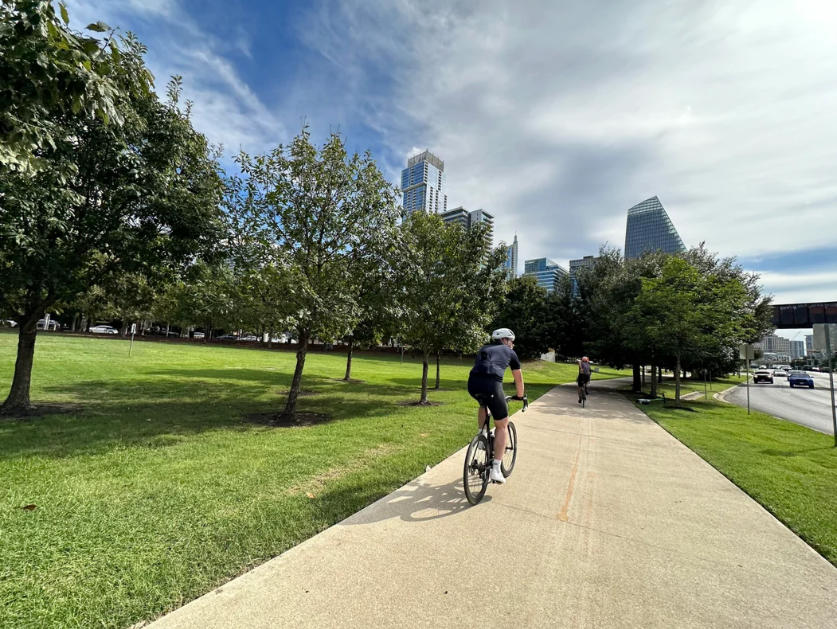
The climate makes outdoor activities feasible year-round, though with caveats. Mild winters with average lows around 40°F in January mean you can hike, bike, and explore comfortably during cooler months. However, summers bring intense heat with temperatures regularly exceeding 100°F from June through August, combined with high humidity that makes outdoor activities challenging during peak afternoon hours. Most residents adapt by exercising early morning or evening and spending midday hours indoors.
Popular outdoor activities include:
- Water sports – Kayaking, paddleboarding, swimming at area lakes
- Hiking and biking – Extensive trail systems throughout the city and nearby Hill Country
- Rock climbing – Both indoor gyms and outdoor spots in surrounding areas
- Golfing – Numerous public and private courses with year-round play
The proximity to the Texas Hill Country adds even more recreational opportunities, with scenic drives, wineries, and charming small towns just 30-45 minutes away. Lake Travis and other Highland Lakes offer boating, fishing, and lakefront living options. For those seeking an active, outdoor-oriented lifestyle, Austin delivers exceptional opportunities, though you’ll need to adjust to the summer heat.
Traffic and Transportation Realities
Let’s address one of Austin’s biggest challenges—traffic. Rapid population growth has strained the city’s infrastructure, creating congestion issues that rival much larger metropolitan areas. Interstate 35 and Mopac Expressway, the two main north-south highways, experience heavy traffic during rush hours, with commutes from suburbs to downtown often taking 30-60 minutes. What might be a 15-mile drive could easily take 45 minutes or more during peak times.
Public transportation exists through Capital Metro, which operates buses and a light rail system, but coverage remains limited compared to larger cities like Chicago or New York. Most residents rely on personal vehicles for daily transportation, though central neighborhoods offer more walkable options where biking, scooters, and ridesharing can supplement or replace car ownership. The city has invested in improving bike infrastructure, but car dependency remains the norm for most Austinites, particularly those living in suburban areas.
Transportation considerations:
- Plan for traffic delays during weekday rush hours (7-9 AM and 5-7 PM)
- Consider proximity to work when choosing neighborhoods to minimize commute times
- Explore remote work options if possible to avoid daily commuting
- Budget for vehicle expenses as public transit may not meet your needs
For families, traffic can complicate school drop-offs and extracurricular activities, requiring careful planning and time management. Singles and young professionals living in central Austin often find they can minimize driving, but those in suburbs should prepare for car-dependent lifestyles. Understanding these transportation realities is crucial when evaluating whether Austin’s lifestyle benefits outweigh the traffic challenges.
Climate: Hot Summers and Mild Winters
Austin’s climate defines much of the living experience here. The city enjoys approximately 300 days of sunshine annually, creating ideal conditions for outdoor enthusiasts who appreciate year-round access to parks, trails, and lakes. Winters are genuinely mild, with average temperatures in the 40s and 50s, rarely dipping below freezing except during occasional cold fronts. You can typically golf, hike, and enjoy outdoor dining throughout winter months, making it perfect for those escaping harsh northern winters.
However, summer is a different story. From June through September, temperatures regularly exceed 95-100°F, often climbing above 105°F during heat waves. The combination of high temperatures and humidity creates conditions that limit outdoor activities during midday hours. Air conditioning becomes essential, not optional, driving up electricity bills significantly during summer months. Residents adapt by shifting outdoor activities to early morning or evening, spending afternoons in swimming pools or air-conditioned spaces, and planning indoor entertainment during the hottest period.
Seasonal highlights:
- Spring (March-May) – Perfect weather, wildflowers, outdoor festivals
- Summer (June-September) – Very hot, but pool season and water activities thrive
- Fall (October-November) – Comfortable temperatures return, festival season continues
- Winter (December-February) – Mild, ideal for outdoor activities, occasional cold snaps
The lack of traditional seasons may disappoint those who love fall foliage or snowy winters, but the extended warm season appeals to many. If you’re considering relocating to Austin, Texas, be prepared for the summer heat and plan your housing search to include outdoor spaces like pools or covered patios that make hot months more enjoyable.
Austin’s Food Scene and Culinary Culture
The food scene deserves special recognition as one of the city’s defining features. Austin’s food scene has evolved from primarily BBQ and Tex-Mex into a sophisticated culinary destination that rivals much larger cities. Food trucks remain an integral part of the culture, with hundreds scattered throughout the city offering everything from gourmet tacos to creative fusion cuisine. Favorites like Torchy’s Tacos started as food trucks before expanding into beloved local chains.
Traditional Texas BBQ maintains its stronghold, with establishments like Franklin Barbecue, la Barbecue, and Terry Black’s drawing both locals and tourists willing to wait in long lines for exceptional brisket and ribs. Tex-Mex is equally important to Austin’s identity, with breakfast tacos serving as a morning ritual for many residents. The city also boasts upscale dining options, including multiple Michelin-recognized restaurants featuring innovative menus, farm-to-table concepts, and international cuisines.
Culinary highlights include:
- Food truck parks – Convenient, affordable, incredibly diverse options
- BBQ institutions – Traditional Texas smokehouses with cult followings
- Tex-Mex and Mexican – Authentic cuisine from casual to upscale
- Farm-to-table restaurants – Utilizing local ingredients and seasonal menus
- International cuisine – Vietnamese, Japanese, Ethiopian, and more
The food scene extends beyond restaurants into farmers’ markets, craft breweries, coffee roasters, and food festivals that celebrate Austin’s culinary creativity. Whether you’re a foodie seeking cutting-edge cuisine or someone who simply enjoys great tacos, Austin’s dining options will not disappoint.
Cultural Diversity and Community
Austin’s progressive culture and growing diversity shape the living experience in meaningful ways. The city leans liberal compared to Texas as a whole, creating a more inclusive atmosphere particularly in central neighborhoods. The population includes approximately 30% Hispanic residents, 10% Black residents, and 10% Asian residents, with increasing diversity contributing to cultural richness. Austin has also earned recognition as one of the most LGBTQ+ friendly cities in the country, with visible pride celebrations and inclusive policies.
Austin’s culture emphasizes community connection through neighborhood associations, volunteer opportunities, and local events that bring people together. The city attracts creative types, entrepreneurs, and free spirits who appreciate its “weird” ethos, but rapid growth has sparked ongoing debates about preserving Austin’s unique character versus accommodating newcomers. Some long-time residents express concerns about gentrification, rising costs, and loss of the quirky independent businesses that once defined the city.
Community characteristics:
- Progressive politics in city center, more conservative in suburbs and surrounding areas
- Strong neighborhood identity with active community associations
- Creative and entrepreneurial spirit attracting artists, musicians, and startup founders
- Welcoming attitude toward newcomers, though tensions exist around growth
The city’s relative youth (median age around 34) contributes to its energetic, forward-thinking atmosphere. However, understanding that Austin sits within Texas means being aware of state-level policies that may differ from city values on issues like education, healthcare, and social services. Most residents successfully navigate this dynamic and appreciate Austin’s distinct culture within the broader Texas context.
Pros and Cons of Living in Austin
Making an informed decision about moving to Austin requires honestly evaluating both advantages and challenges. Understanding the pros and cons of relocating and living in Austin helps set realistic expectations and prepare for the transition. On the positive side, Austin offers exceptional job opportunities in growing industries, a vibrant cultural and entertainment scene unmatched by most cities its size, year-round outdoor activities, and diverse neighborhoods suitable for various lifestyles and budgets.
However, challenges include the significantly higher cost of living compared to the national average and many other Texas cities, increasingly congested traffic that can make commuting frustrating, intense summer heat that limits outdoor activities for several months, and concerns about the city losing some of its unique character due to rapid development. Property taxes are particularly high, though offset somewhat by the lack of state income tax. Additionally, public transportation remains limited, making car ownership nearly essential for most residents.
Major advantages:
- Strong job market with diverse opportunities
- World-class entertainment and cultural offerings
- Excellent outdoor recreation and mild winters
- No state income tax benefit
Significant challenges:
- Rising housing costs and high property taxes
- Traffic congestion and limited public transit
- Extreme summer heat and humidity
- Rapid growth changing city character
Despite these challenges, most Austin residents express high satisfaction with their quality of life. The key is choosing the right neighborhood, preparing financially for higher costs, and embracing the city’s unique culture and outdoor lifestyle. Many people, including those moving from California to Austin, find the transition worthwhile despite the adjustment period.
Tips for Moving to Austin Successfully
If you’ve decided Austin is right for you, strategic planning makes the transition smoother. First, visit Austin multiple times if possible, exploring different neighborhoods during various times of day to understand traffic patterns, neighborhood vibes, and daily realities. Spring and fall offer the most pleasant weather for exploration, while a summer visit provides honest insight into the heat you’ll experience. Connect with locals through online forums, social media groups, or professional networks to gain insider perspectives beyond tourist attractions.
Financially, prepare for higher costs than you might expect, particularly for housing. Budget for moving expenses, security deposits, first month’s rent, and potentially higher utility bills during summer months when air conditioning runs constantly. If buying, understand that Austin’s real estate market can be competitive, requiring pre-approval, flexibility, and sometimes moving quickly when you find the right property. Working with experienced local real estate professionals who understand neighborhood nuances and market dynamics proves invaluable.
Practical moving tips:
- Time your move for spring or fall to avoid extreme heat
- Research neighborhoods thoroughly considering commute, schools, and lifestyle fit
- Secure housing before moving if possible, though short-term rentals can help you explore
- Build a professional network before or immediately after arriving
- Prepare for lifestyle adjustments including heat management and traffic navigation
Consider whether remote work options might reduce commute stress, and factor school quality into neighborhood selection if you have children. Many successful Austin transplants recommend renting initially to test different areas before committing to a home purchase, particularly given how dramatically neighborhood character can shift within just a few miles.
Why Choose The Seely Group to Help You Move to Austin
The Seely Group has helped over 1,000 families successfully relocate to and within the Austin area, earning recognition as Top 1% of Agents Nationwide and ranking in the Top 3 in Central Texas. Real estate expert Dallas Seely and real estate expert Amy Seely are native Austinites with deep local knowledge that extends beyond property listings to include understanding neighborhood cultures, school districts, commute realities, and lifestyle considerations that make the difference between a good move and a perfect fit. Their expertise spans Austin luxury real estate, family-friendly suburbs, and emerging neighborhoods throughout Central Texas and Lake Travis real estate markets.
What sets The Seely Group apart is their relationship-focused approach backed by hundreds of 5 star Google Reviews from satisfied clients. As a top realtor in Austin, Dallas Seely doesn’t just help you find a house—he ensures you discover the right community that matches your lifestyle, budget, and long-term goals. Whether you’re a young professional seeking urban energy, a family prioritizing schools and safety, or a retiree looking for Texas Hill Country tranquility, The Seely Group provides personalized guidance throughout the entire process. Their comprehensive understanding of Austin’s market dynamics, combined with their commitment to client success, has made them the trusted choice for both local moves and major relocations.
To Discuss Your Home Sale or Purchase, Call or Text Today and Start Packing!
FAQ:
The best area depends on your priorities, but several neighborhoods consistently rank highest for families. Round Rock, Cedar Park, and Leander offer excellent schools through their respective independent school districts, newer homes with yards, family-oriented amenities like community pools and parks, and slightly more affordable housing than central Austin. The Eanes Independent School District area, including Westlake, provides top-rated schools but comes with premium prices. Lake Travis ISD serves multiple lakeside communities offering both excellent education and access to water recreation. For those wanting to stay closer to downtown while maintaining family-friendly amenities, Mueller is a master-planned community with walkable streets, parks, and proximity to the Thinkery children’s museum. Each area has strengths—suburban areas offer space and lower costs, while urban neighborhoods provide convenience and cultural access—so consider your specific needs regarding commute distance, school priorities, budget, and lifestyle preferences when choosing your ideal Austin family neighborhood.
Stay Connected with The Seely Group
Stay connected with The Seely Group for the latest Austin and Lake Travis real estate insights, market updates, and luxury home showcases by following us on social media:
- Instagram: @theseelygroup – Stunning property photos, behind-the-scenes content, and Austin lifestyle highlights (https://www.instagram.com/theseelygroup/)
- LinkedIn: The Seely Group – Professional market analysis, industry insights, and real estate expertise (https://www.linkedin.com/company/the-seely-group)
- YouTube: @theseelygroup – Virtual home tours, neighborhood guides, and expert real estate advice (https://www.youtube.com/channel/UCIsxWzJroWOFqhbBLYGLtQw)
- Facebook: The Seely Group – Community updates, client success stories, and local Austin area news (https://www.facebook.com/theseelygroup/)
- TikTok: @the.seely.group (https://www.tiktok.com/@the.seely.group)
- Yelp: The Seely Group (https://www.yelp.com/biz/the-seely-group-lakeway)
- The Seely Group Google Business Profile: https://share.google/t8Ks8fJxdnIW8GG9k
- Dallas Seely Google Business Profile: https://share.google/em9za69s5ZC3C26FE
- Amy Seely Google Business Profile: https://share.google/MRHiZFQtb7N5bcl4C
- Amy Seely Yelp: https://www.yelp.com/biz/amy-seely-the-seely-group-bee-cave
