Lake Travis waterfront homeowners are facing a unique opportunity in 2025, as the lake reaches its highest levels in five years while the broader real estate market shows signs of shifting toward buyer conditions. Understanding the relationship between water levels and property values is crucial for making informed decisions about selling your waterfront home this year. In this blog post, Lake Travis real estate expert Dallas Seely discusses is 2025 the time to sell your Lake Travis waterfront home and how higher water levels can maximize your property’s market value.
As of July 2025, Lake Travis is at an impressive 90% capacity—its highest level since 2019. This creates an exceptional opportunity for homeowners to market their properties. Historical sales data shows that this is particularly true for owners of Lake Travis waterfront homes and those with homes up to a mile inland.
Key Takeaways:
- Lake Travis is currently at 90% capacity (675+ feet above sea level), the highest level in five years, creating optimal conditions for waterfront property appreciation and marketability
- While the broader Lake Travis market shows a 4.7% decline in median prices, luxury waterfront properties like those in Waterford on Lake Travis have seen dramatic appreciation of up to 195.9% year-over-year
- Historical data shows a direct correlation between lake levels and waterfront property values, with studies indicating that every 6-foot drop in lake level translates to approximately 3.5% decrease in waterfront property value
- The current buyer’s market conditions mean longer days on market (64 days average) but present opportunities for well-positioned waterfront properties to stand out from standard inventory
Dallas Seely currently has qualified buyers actively searching for Lake Travis waterfront homes, including relocating buyers from California seeking Austin area luxury properties. With current high water levels creating optimal selling conditions, now is the perfect time to capitalize on this buyer demand.
To Discuss Your Home Sale or Purchase, Call or Text Today and Start Packing!
Understanding Lake Travis Water Levels and Their Impact on Property Values
LAKE TRAVIS WATER LEVEL CORRELATION
Property Values vs. Water Elevation Impact Analysis
Current 2025 Conditions
131 ft Below Full
Optimal Lake Conditions
Normal Fluctuation
“Every 6-foot drop in Lake Travis water level corresponds to approximately 3.5% decrease in waterfront property values. During the 2011-2015 drought, waterfront homes experienced 25% value declines and took years to recover even after water levels returned to normal.”
Source: Lake Travis Coalition Economic Impact Analysis & LCRA Historical Data
Current Water Level Status: A Five-Year High
Lake Travis reached 90.0% capacity as of July 2025, following significant rainfall and inflows that brought the lake to approximately 675 feet above mean sea level. This represents the highest sustained level since 2019 and marks a dramatic recovery from the low levels experienced during 2021-2023 drought conditions.
The Lower Colorado River Authority (LCRA) manages Lake Travis as both a flood control reservoir and water supply source, with the lake considered “full” at 681 feet above mean sea level. The current 90% capacity provides optimal conditions for waterfront recreation, dock accessibility, and the aesthetic appeal that drives premium pricing for lakefront properties.
Lake Travis real estate expert Dallas Seely explains,
“Lake Travis waterfront values are intrinsically tied to water levels because the lake directly impacts both the functionality and beauty of waterfront living. When the lake is full, docks are easily accessible, boat ramps function properly, and the visual appeal reaches its peak – all factors that significantly influence buyer willingness to pay premium prices.“
Historical Correlation Between Water Levels and Property Values
Extensive analysis of Lake Travis property values and water levels reveals a strong correlation between lake conditions and real estate performance. During the severe drought period from 2011-2015, when Lake Travis dropped to historic lows of 618 feet above sea level, waterfront property values declined by approximately 25% from pre-drought peaks.
Research indicates that every six-foot drop in lake level corresponds to roughly a 3.5% decrease in waterfront property value, with the relationship becoming more pronounced during sustained low-water periods. Conversely, when the lake returns to higher levels, waterfront properties typically experience renewed buyer interest and value appreciation, though recovery often takes longer than the initial decline.
LAKE TRAVIS HISTORICAL ANALYSIS
Water Levels vs. Median Waterfront Home Prices (2008-2025)
“Historical analysis shows waterfront property recovery consistently lags behind water level recovery by 2-3 years. Current 2025 high water levels represent a strategic selling window before potential future drought cycles impact property values again.”
The economic impact extends beyond individual property values to affect the broader Lake Travis economy, including tourism, marina operations, and related businesses that support the lakefront lifestyle. When water levels are optimal, the entire ecosystem benefits, creating a positive feedback loop that supports sustained property value appreciation.
Current Lake Travis Real Estate Market Conditions in 2025
The 2025 Lake Travis real estate market presents contrasting indicators that require careful analysis for waterfront sellers. While the broader market shows decline with median home prices dropping 4.7% year-over-year to $777,500, specific waterfront segments demonstrate remarkable resilience and growth.
Lake Travis real estate expert Amy Seely notes,
“The Lake Travis market in 2025 requires nuanced understanding because broad market statistics don’t tell the complete story for waterfront properties. While overall inventory has increased and days on market have extended, premium waterfront homes with direct lake access continue to command strong interest from qualified buyers who understand the unique value proposition.“
Properties in exclusive waterfront communities like Waterford on Lake Travis have experienced extraordinary appreciation, with median sale prices reaching $1.4 million, representing a 195.9% increase year-over-year. This dramatic appreciation demonstrates that high-quality waterfront properties operate in a different market segment than general Lake Travis inventory.
Buyer’s Market Conditions Present Opportunities and Challenges
The shift to buyer’s market conditions means homes average 64 days on market compared to faster sales in previous years, with 73.2% of properties selling below asking price. However, this creates opportunities for exceptional waterfront properties to differentiate themselves from standard inventory through superior positioning and marketing strategies.
Current inventory levels show 566 homes for sale in the Lake Travis area, providing buyers with more choices but also requiring sellers to justify premium pricing through demonstrated value. For waterfront properties, the combination of optimal lake levels and limited direct-water access inventory creates scarcity value that can command premium pricing despite broader market conditions.
2025 LAKE TRAVIS MARKET CONDITIONS
Current Market Performance vs. Historical Trends
| Market Metric | Overall Lake Travis | Waterfront Premium | Year-over-Year |
|---|---|---|---|
| Median Home Price | $777,500 | $1.4M+ (Waterford) | ↓-4.7% |
| Waterfront Appreciation | Mixed Results | +195.9% | ↑Premium Segment |
| Days on Market | 64 days avg | 60 days (Waterford) | ↑+15.7% |
| Active Inventory | 566 homes | Limited Supply | ↑+9.9% |
| Sale-to-List Ratio | 73.2% below ask | Varies by property | Buyer’s Market |
| Lake Water Level | 90% Full (675+ ft MSL) | ↑5-Year High | |
| Market Classification | Buyer’s Market | Selective Premium | Shifted from Seller’s |
“While the broader Lake Travis market shows buyer-favorable conditions, waterfront properties with direct lake access are performing exceptionally well during current high water levels. The key is strategic positioning and professional marketing to capitalize on optimal lake conditions while navigating increased inventory competition.”
Historical Analysis: Water Levels and Home Price Correlation
Lake Travis has experienced significant water level fluctuations throughout its history, with dramatic impacts on waterfront property values. The lake’s capacity for nearly 100-foot variations between historical highs and lows creates substantial volatility in waterfront real estate markets.
Drought Cycles and Their Impact on Waterfront Values

During the 2011-2015 drought period, Lake Travis dropped to 618 feet above sea level, exposing previously underwater areas and severely limiting recreational access. Waterfront properties experienced value declines of 25-40% from pre-drought peaks, with the impact lasting years beyond the drought’s end.
Recovery patterns show that waterfront property values respond positively to rising water levels, but the appreciation often occurs gradually rather than immediately. Properties with deeper water access and floating dock systems tend to maintain value better during low-water periods and recover more quickly when levels rise.
The Economic Multiplier Effect of Water Levels
Higher lake levels create economic benefits that extend beyond individual property values to impact the entire Lake Travis area economy. Marina operations, boat rental businesses, lakeside restaurants, and tourism-related services all benefit from optimal water conditions, creating demand for waterfront real estate from both residents and investors.
The correlation between water levels and property values becomes more pronounced in premium neighborhoods like Rough Hollow, where yacht club amenities and marina access depend on adequate water levels for full functionality. When these amenities operate at peak capacity, the entire community benefits from enhanced desirability and value appreciation.
Advantages of Selling During High Water Levels
Current high water levels provide waterfront properties with optimal presentation conditions for marketing and showings. Full lake conditions ensure that docks, boat lifts, and waterfront amenities function properly, allowing potential buyers to experience the complete lakefront lifestyle during property tours.
Maximum Aesthetic Appeal and Functionality
The visual impact of a full lake cannot be overstated when marketing waterfront properties. Instead of exposed shorelines and distant water views that occur during low-water periods, current conditions provide the expansive water vistas and immediate lake access that justify premium waterfront pricing. Professional photography and virtual tours can capture the property at its most appealing condition.
Lake Travis real estate expert Dallas Seely observes,
“Timing the sale of a waterfront property to coincide with optimal lake conditions is one of the most important strategic decisions sellers can make. When buyers can see and experience the full potential of lakefront living during their initial visit, it creates emotional connection that translates directly into willingness to pay premium prices.“
Enhanced Buyer Pool and Market Interest
High water levels typically attract increased buyer interest in the Lake Travis area, including both primary residence seekers and investment property buyers. The positive publicity surrounding full lake conditions often generates increased traffic to lakefront communities, benefiting all waterfront properties through enhanced visibility and buyer activity.
The psychological impact of full lake conditions extends beyond individual properties to influence buyer perception of the entire Lake Travis market. When potential buyers see thriving marina activity, busy boat ramps, and active water recreation, it reinforces the long-term value proposition of waterfront property ownership.
Market Challenges and Considerations for 2025 Sellers
Despite optimal lake conditions, waterfront sellers must navigate broader market challenges including increased inventory, longer selling timelines, and price-sensitive buyers. The shift from seller’s market to buyer’s market means that properties must be competitively priced and professionally marketed to achieve optimal results.
Navigating Buyer’s Market Conditions
Current market conditions require strategic preparation including professional staging, comprehensive marketing, and realistic timeline expectations. Properties that might have sold quickly in previous years now require 60-90 days on market, demanding sustained presentation standards and continued buyer engagement throughout extended marketing periods.
Financing and Buyer Qualification Considerations
Current interest rates around 6.8-7% impact buyer qualification and purchasing power, particularly for luxury waterfront properties that typically require jumbo financing. Sellers should expect longer due diligence periods and more thorough buyer qualification processes, especially for properties priced above $1 million.
The premium nature of waterfront properties means that qualified buyers often require specialized financing and insurance arrangements, including flood insurance considerations and potential secondary home financing requirements that can extend transaction timelines.
Community-Specific Waterfront Market Performance
Rough Hollow: Marina Access Premium
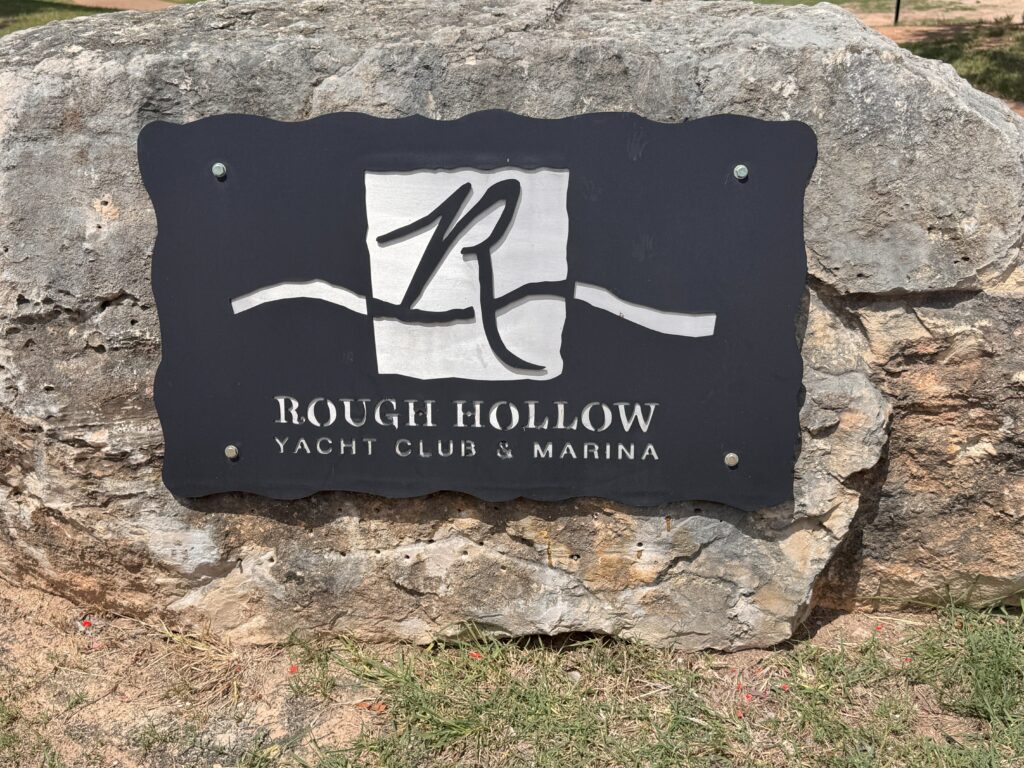
Rough Hollow waterfront properties benefit significantly from the community’s yacht club and marina facilities, which operate at full capacity when lake levels are optimal. The 294-slip marina and extensive water amenities create substantial premiums for properties with boat slip access and yacht club privileges.
Current market conditions in Rough Hollow demonstrate the premium that waterfront access commands, with properties featuring direct lake access and marina privileges maintaining strong values despite broader market softening. The community’s resort-style amenities and comprehensive water recreation infrastructure create sustained demand from affluent buyers seeking turnkey lakefront lifestyle.
Lakeway and Premium Waterfront Communities
Lakeway waterfront properties, particularly those in exclusive neighborhoods like Waterford on Lake Travis, have demonstrated exceptional performance during the current high-water period. The combination of established luxury amenities, proximity to Austin, and optimal lake access creates strong buyer interest from high-net-worth individuals.
The Lakeway market benefits from mature infrastructure, established community amenities, and proven track record of value appreciation, making it attractive to buyers seeking stability and long-term investment potential in waterfront real estate.
Serene Hills and Hill Country Integration

Serene Hills properties with lake views and water access benefit from the community’s emphasis on environmental preservation and natural beauty. While not directly on the lake, properties with lake views experience enhanced value during high-water periods when the visual impact is maximized.
The community’s focus on outdoor recreation and natural beauty aligns well with the lake lifestyle appeal, creating synergy between community amenities and lake access that enhances overall property desirability during optimal water conditions.
Strategic Considerations for Lake Travis Waterfront Sellers
The current combination of high water levels and increased inventory requires sophisticated marketing strategies that emphasize the unique advantages of waterfront living. Professional photography should capture both the property’s features and the optimal lake conditions, creating marketing materials that demonstrate the full lifestyle potential.
Optimal Marketing Timing and Presentation
Timing considerations should account for seasonal buyer patterns, with spring and early summer typically providing peak buyer activity for waterfront properties. The current high water levels create a window of opportunity that may not persist indefinitely, making prompt marketing decisions crucial for maximizing value.
Pricing Strategy in Mixed Market Conditions
Competitive pricing remains essential even during optimal lake conditions, as buyers have increased inventory options and negotiating leverage. Successful pricing strategies must balance the premium that high water levels command with realistic market expectations based on comparable sales and current buyer behavior.
Professional market analysis should consider both recent waterfront sales and broader market trends, with particular attention to properties with similar lake access and amenity features. The goal is positioning that captures the high-water premium while remaining competitive within current market dynamics.
Investment Analysis: Long-Term vs. Short-Term Perspectives
Historical Appreciation Patterns
Long-term analysis of Lake Travis waterfront properties shows consistent appreciation over 10-20 year periods, despite cyclical fluctuations related to water levels and broader economic conditions. Properties with superior lake access, quality construction, and desirable community amenities have demonstrated resilience through multiple market cycles.
The current high-water period presents an opportunity to realize gains accumulated over previous years, particularly for owners who purchased during low-water periods or held through drought cycles. For those considering long-term ownership, current conditions may represent temporary peaks that could moderate if water levels decline or market conditions shift.
Future Market Projections and Water Management
LCRA water management policies and Highland Lakes system operations provide some predictability for future water levels, though drought cycles remain inherent in Texas Hill Country climate patterns. Understanding these patterns can inform decisions about selling timing and long-term ownership strategies.
Climate projections and regional water supply management suggest continued volatility in lake levels, making current high-water conditions particularly valuable for sellers seeking to optimize their investment returns. The increasing demand for water resources from Austin’s growing population may influence future water management decisions affecting lake levels.

Why Choose The Seely Group for Your Lake Travis Waterfront Sale
When it comes to selling your Lake Travis waterfront home, you need real estate professionals who understand the unique dynamics of waterfront markets, optimal timing strategies, and the sophisticated buyer requirements for premium lakefront properties. Dallas Seely and Amy Seely bring unparalleled expertise in Lake Travis real estate, With deep understanding of how water levels, community amenities, and market conditions interact to influence property values, call the definitive Lake Travis real estate experts in The Seely Group.

As devoted, full-time REALTORS ranked in the top 1% of agents nationwide by Realogy and among the top 3 in Central Texas by Austin Business Journal, The Seely Group has helped over 1000 families navigate complex real estate decisions. Their extensive experience with waterfront properties throughout the Lake Travis area provides crucial insights into timing, pricing, and marketing strategies that maximize returns for sellers.
The Seely Group’s comprehensive Your Home Sold Guarantee program provides additional confidence for waterfront sellers, ensuring your property receives the professional attention and marketing excellence required to achieve optimal results in the current market environment. Their hundreds of 5-star Google reviews reflect their commitment to client satisfaction and successful outcomes in all market conditions.
To Discuss Your Home Sale or Purchase, Call or Text 512.943.2572 Today and Start Packing!
FAQs – Lake Travis Waterfront
Lake Travis water levels fluctuate based on LCRA management, rainfall patterns, and regional water demands. Current 90% capacity levels represent optimal selling conditions that may not persist indefinitely. Given Texas’s cyclical drought-flood patterns, these high levels create a strategic window for maximizing waterfront property values.
Historical data shows a direct correlation between Lake Travis water levels and waterfront property values. During the 2011-2015 drought when levels dropped to 618 feet above sea level, waterfront home prices declined approximately 25% from pre-drought peaks and remained 10% below normal for years after recovery.
Higher water elevation enhances property values through improved dock accessibility, enhanced recreational opportunities, increased aesthetic appeal, and restored functionality of waterfront amenities. Full lake conditions also expand the buyer pool of water recreation enthusiasts willing to pay premium prices.
During the 2011-2015 drought, Lake Travis dropped 131 feet below full capacity, creating unusable docks, limited recreational access, and diminished aesthetic appeal. This resulted in 25% price declines for waterfront properties and reduced buyer demand for lake-access homes.
Current high water levels at 90% capacity have created renewed buyer interest in waterfront properties. Premium communities like Waterford on Lake Travis show median prices reaching $1.4 million with 195.9% year-over-year appreciation, demonstrating strong demand when lake conditions are optimal.
Future water levels depend on Texas weather patterns, LCRA water management policies, and regional water demands. The current system operates with Lakes Travis and Buchanan at 51% combined capacity, suggesting continued volatility. Investors should consider properties with deep water access and floating dock systems that maintain functionality during level fluctuations.
Join Us On Social Media
Stay connected with The Seely Group for the latest Austin and Lake Travis real estate insights, market updates, and luxury home showcases by following us on social media:
- Instagram: Stunning property photos, behind-the-scenes content, and Austin lifestyle highlights.
- LinkedIn: Professional market analysis, industry insights, and real estate expertise.
- YouTube: Virtual home tours, neighborhood guides, and expert real estate advice.
- Facebook: Community updates, client success stories, and local Austin area news.
