Lake Travis waterfront properties are among the most coveted real estate investments in Central Texas, offering a unique combination of natural beauty, recreational opportunities, and investment potential that attracts discerning buyers from across the nation. Understanding whether these premium properties maintain their value requires examining the complex relationship between water levels, market dynamics, and the inherent advantages of waterfront living in one of Austin’s most prestigious areas. In this comprehensive analysis, Lake Travis real estate expert Dallas Seely discusses whether Lake Travis waterfront property holds its value and the factors that influence long-term investment performance.
Lake Travis waterfront properties generally hold their value exceptionally well due to limited supply, high demand from Austin’s growing population, and the irreplaceable lifestyle benefits of waterfront living. However, their values can fluctuate based on water level conditions, with properties experiencing temporary declines during drought periods before recovering when water levels normalize.
Key Takeaways
- Lake Travis waterfront properties demonstrate strong long-term value retention due to scarcity, high demand, and Austin’s continued growth
- Water level fluctuations create predictable cycles where property values temporarily decline during drought periods but recover with rising water levels
- Properties with deep-water access and floating docks maintain value better during low-water periods compared to those with shallow, fixed docks
- The premium for waterfront living justifies investment even accounting for periodic water level impacts, with studies showing 10-30% value increases over comparable non-waterfront properties
To Discuss Your Home Sale or Purchase, Call or Text Today and Start Packing!
Dallas Seely currently has qualified buyers actively searching for Lake Travis waterfront homes, including relocating buyers from California seeking Austin area luxury properties. With current high water levels creating optimal selling conditions, now is the perfect time to capitalize on this buyer demand.
Historical Value Performance: Resilience Through Market Cycles
Lake Travis waterfront properties have demonstrated remarkable resilience through various market cycles, economic downturns, and environmental challenges. Even during the 2011-2015 drought period—one of the most severe water level drops in the lake’s history—waterfront properties ultimately recovered their value as conditions improved.
Long-Term Appreciation Trends
Despite periodic fluctuations, Lake Travis waterfront properties have shown consistent appreciation over extended periods. The combination of Austin’s robust economic growth, limited waterfront inventory, and the irreplaceable nature of lake access creates fundamental support for property values that transcends temporary market conditions.
Recent market data indicates that even during challenging periods, Lake Travis real estate continues to attract premium pricing. For instance, median home prices in the Lake Travis area reached $777,500 in June 2025, demonstrating the continued strength of this luxury market segment despite broader economic uncertainties.
Recovery Patterns and Investment Timing
Understanding how Lake Travis waterfront properties recover from temporary value declines provides crucial insights for investors and homeowners. Historical patterns show that while water level drops can create short-term value pressure, recovery periods often present exceptional opportunities for strategic buyers.

“Lake Travis waterfront properties offer something that can’t be replicated—direct access to one of Central Texas’s most beautiful natural resources. While water levels fluctuate, the fundamental scarcity and desirability of these properties creates a foundation for long-term value retention that few other real estate categories can match.” – real estate expert Dallas Seely
Properties with superior water access features, such as deep-water locations and floating dock systems, typically maintain value better during challenging periods and recover more quickly when conditions improve. This resilience factor is crucial for investors considering waterfront property timing decisions.
Lake Travis Waterfront Property Value Retention
| LAKE TRAVIS WATERFRONT PROPERTY VALUE RETENTION ANALYSIS | ||||
|---|---|---|---|---|
| Property Type | Water Level Resilience | Value Impact During Drought | Recovery Timeline | Investment Appeal |
|
Deep Water + Floating Docks Premium Waterfront |
Excellent • Maintains access in most conditions • Adapts to water level changes • Minimal functional impact |
5-10% decline • Limited aesthetic impact • Continued functionality • Strong buyer confidence |
12-18 months • Quick market response • High buyer demand • Premium recovery |
Highest • Best risk-adjusted returns • Consistent buyer demand • Superior liquidity |
|
Deep Water + Fixed Docks Traditional Waterfront |
Good • Better than shallow water • Some access limitations • Moderate vulnerability |
10-15% decline • Reduced dock functionality • Some aesthetic impact • Cautious buyer behavior |
18-24 months • Gradual recovery • Dock upgrade opportunities • Steady appreciation |
High • Strong long-term value • Improvement potential • Good liquidity |
|
Shallow Water + Floating Docks Moderate Waterfront |
Moderate • Dock adjusts to levels • Access challenges possible • Better than fixed docks |
15-20% decline • Limited water access • Exposed lake bottom • Reduced marketability |
24-30 months • Slower buyer return • Price sensitive market • Selective recovery |
Moderate • Value opportunity potential • Higher risk/reward • Limited buyer pool |
|
Shallow Water + Fixed Docks Vulnerable Waterfront |
Limited • High vulnerability • Docks become unusable • Significant functional loss |
20-25% decline • Complete access loss • Major aesthetic impact • Significant buyer resistance |
36-48 months • Extended recovery period • Infrastructure upgrades needed • Market skepticism |
Contrarian Only • High-risk investment • Potential value-add opportunity • Requires expertise |
|
Lake View Only View Properties |
Moderate • Aesthetic impact only • No functional loss • View-dependent value |
5-10% decline • Reduced view appeal • Limited functional impact • Stable core value |
12-18 months • View restoration drives recovery • Faster than access properties • Consistent demand |
Good • Lower risk profile • Steady appreciation • Broad buyer appeal |
|
Key Insight: Properties with deep water access and floating docks demonstrate superior value retention and faster recovery Investment success depends on understanding property-specific resilience factors and water level cycle timing |
||||
Why Does a 6-Foot Drop in Lake Level Cause a 3.5% Decrease in Property Value?
The relationship between Lake Travis water levels and property values follows predictable patterns based on functionality, aesthetics, and market psychology. Research indicates that every six-foot drop in lake level correlates with approximately a 3.5% decrease in waterfront property values, a relationship that reflects the direct impact of water conditions on property utility and appeal.
Functional Impact on Property Utility
When Lake Travis water levels drop significantly, many waterfront amenities become less functional or completely unusable. A six-foot drop can transform accessible docks into stranded structures, make boat ramps unusable, and eliminate swimming areas that property owners rely on for recreation and lifestyle enjoyment.
Key functional impacts include:
- Dock accessibility limitations – Fixed docks may no longer reach water, requiring expensive modifications or rendering them unusable
- Boat ramp restrictions – Public and private boat launches may become inaccessible, limiting recreational opportunities
- Swimming area degradation – Shallow areas may expose rocky bottoms or become unsuitable for safe swimming
- Marina service disruptions – Commercial facilities may reduce services or close temporarily during low-water periods
Aesthetic and Marketing Appeal Reduction
The visual impact of reduced water levels significantly affects property marketability and buyer perception. Instead of sparkling water reaching property lines, potential buyers may encounter exposed mudflats, debris, or unsightly lake bottom features that dramatically reduce the property’s curb appeal.
Aesthetic considerations include:
- Exposed lake bottom areas that reveal unsightly debris, mud, or rocky surfaces
- Reduced water views from homes designed to showcase lake vistas
- Landscaping exposure of areas not intended to be visible when water levels are normal
- Photography challenges for marketing materials that traditionally highlight water amenities
Market Psychology and Buyer Confidence
Beyond immediate functional and aesthetic impacts, water level drops affect buyer psychology and confidence in waterfront investments. Potential purchasers may question the reliability of lake conditions and the long-term viability of waterfront living, leading to reduced offers and extended marketing periods.
Psychological factors influencing value include:
- Investment uncertainty about future water level consistency and property utility
- Lifestyle concerns regarding the reliability of waterfront recreation and amenities
- Resale apprehension about future marketability during potential drought periods
- Financing considerations as lenders may view water-dependent properties as higher risk

“The 3.5% correlation isn’t just about current conditions—it reflects buyer psychology about long-term investment security. When water levels drop, buyers discount future risk, but when levels recover, that same psychology works in reverse, often creating buying opportunities for informed investors.” – real estate expert Amy Seely
Factors That Support Long-Term Value Retention
Despite periodic water level impacts, several fundamental factors create strong support for Lake Travis waterfront property values over extended periods. Understanding these factors helps investors and homeowners maintain perspective during temporary market fluctuations.
Scarcity and Limited Supply
The finite nature of Lake Travis waterfront property creates inherent value support that transcends temporary market conditions. With approximately 1,000 acres of lakefront property in Travis County totaling $248 million in combined market value, the scarcity factor provides fundamental price support.
Supply limitations include:
- No new waterfront land creation – Lake Travis’s boundaries are fixed, preventing supply increases
- Zoning restrictions that limit development density and preserve existing property character
- Environmental protections that maintain lake quality and surrounding natural areas
- Infrastructure constraints that limit the feasibility of increasing waterfront property density
Austin Metropolitan Growth and Demand
The continued expansion of Austin’s economy and population creates sustained demand for luxury properties, with Lake Travis waterfront representing the pinnacle of Central Texas residential desirability. Corporate relocations, tech industry growth, and lifestyle migration patterns consistently drive high-net-worth individuals to seek premium waterfront properties.
Demand drivers include:
- Economic diversification reducing dependence on any single industry and creating stable buyer pools
- Corporate headquarters relocations bringing high-income executives seeking luxury properties
- Lifestyle preferences favoring outdoor recreation and natural settings among affluent buyers
- Investment demand from both domestic and international buyers seeking stable luxury assets
Infrastructure and Community Development
The continued investment in Lake Travis area infrastructure and community amenities enhances the long-term value proposition for waterfront properties. Road improvements, utility upgrades, and recreational facility enhancements support property values independent of water level fluctuations.
Infrastructure advantages include:
- Transportation improvements reducing commute times to downtown Austin and major employment centers
- Utility reliability ensuring consistent power, water, and internet services crucial for luxury properties
- Educational excellence through Lake Travis ISD supporting family buyer demand
- Recreational investments in marinas, parks, and entertainment facilities enhancing area appeal
Property Types and Resilience Factors
Not all Lake Travis waterfront properties experience identical impacts from water level fluctuations. Understanding which property characteristics provide greater resilience helps both buyers and sellers make informed decisions about waterfront investments.
Deep-Water vs. Shallow-Water Properties
Properties with deeper water access demonstrate significantly better value retention during low-water periods. Deep-water locations maintain functionality longer during drought conditions and recover more quickly when water levels rise, making them more attractive to discerning buyers.
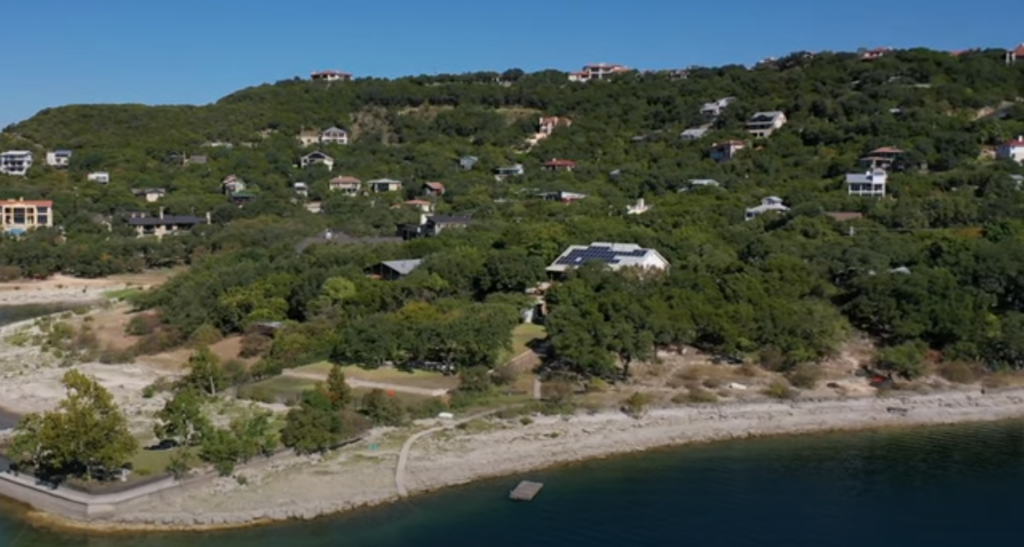
Deep-water advantages:
- Extended usability during moderate water level drops
- Floating dock compatibility allowing continued access regardless of minor level changes
- Premium positioning for larger vessels and serious boating enthusiasts
- Faster recovery when water levels return to normal
Fixed vs. Floating Dock Systems
The type of dock infrastructure significantly influences how properties weather water level fluctuations. Properties with floating dock systems maintain functionality across a wider range of water levels, providing more consistent utility and appeal to potential buyers.
Floating dock benefits:
- Adaptive functionality adjusting automatically to water level changes
- Reduced maintenance during periods of water level fluctuation
- Higher buyer appeal due to reliable lake access regardless of conditions
- Investment protection maintaining property utility across various water scenarios
Community Amenities and Alternative Recreation
Properties within communities offering diverse recreational amenities beyond direct lake access show greater resilience during challenging water periods. When lake-specific activities become limited, alternative community features help maintain property appeal and value.
Community resilience factors:
- Golf courses and tennis facilities providing recreation independent of water levels
- Trail systems and parks offering outdoor activities regardless of lake conditions
- Clubhouses and social facilities maintaining community engagement during low-water periods
- Swimming pools and fitness centers providing recreational alternatives when lake access is limited
Investment Strategies for Waterfront Properties
Successful Lake Travis waterfront investment requires understanding both the opportunities and risks associated with water level cycles. Strategic buyers can leverage these patterns to optimize both purchase timing and long-term returns.
Contrarian Investment Opportunities
Water level cycles create periodic opportunities for strategic buyers willing to purchase during challenging conditions. Properties acquired during low-water periods often provide exceptional value for investors with longer-term perspectives and adequate holding capacity.
Contrarian strategy considerations:
- Timing purchases during extended low-water periods when motivated sellers offer attractive pricing
- Due diligence focus on property features that maintain appeal regardless of water conditions
- Holding capacity ensuring ability to weather potentially extended drought periods
- Improvement opportunities using acquisition savings to enhance property resilience and appeal
Value-Add Enhancement Strategies
Smart property improvements can increase resilience to water level fluctuations while enhancing overall value. Investments in dock systems, landscaping, and alternative amenities help properties maintain appeal across various water conditions.
Enhancement priorities:
- Floating dock installation providing reliable water access across level fluctuations
- Landscape improvements creating appeal that doesn’t depend solely on water views
- Outdoor living spaces offering entertainment value independent of lake access
- Technology integration including water level monitoring and automated systems
Long-Term Hold vs. Trading Strategies
Different investment approaches work better depending on investor goals, risk tolerance, and market timing capabilities. Understanding the advantages of each strategy helps optimize waterfront property investments.
Hold strategy benefits:
- Long-term appreciation capturing full cycle returns including recovery periods
- Income potential through vacation rental during high-demand periods
- Personal enjoyment combining investment returns with lifestyle benefits
- Legacy value for families seeking multi-generational waterfront ownership
Market Timing and Water Level Cycles
Understanding Lake Travis water level patterns and their correlation with real estate market conditions enables more strategic decision-making for both buyers and sellers. Successful market timing requires monitoring multiple factors beyond just current water conditions.
Seasonal Patterns and Optimal Timing
Lake Travis experiences predictable seasonal patterns that create opportunities for strategic real estate decisions. Spring typically brings higher water levels and peak buying activity, while late summer and fall may offer different advantages depending on year-specific conditions.
Seasonal considerations:
- Spring surge periods often coinciding with peak real estate activity and optimal marketing conditions
- Fall evaluation opportunities allowing buyers to assess properties at seasonal low points
- Winter planning periods providing time for property improvements before peak selling seasons
- Summer variability depending on annual rainfall patterns and upstream water management
Economic Cycle Integration
Water level impacts on property values don’t occur in isolation but interact with broader economic cycles affecting luxury real estate markets. Understanding these interactions helps optimize timing for major waterfront property decisions.
Economic integration factors:
- Interest rate environments affecting luxury property financing and buyer qualification
- Austin economic conditions influencing demand from relocating executives and investors
- National luxury market trends affecting competition from other waterfront destinations
- Local development patterns creating new amenities or changing area character
Why Choose The Seely Group for Lake Travis Waterfront Investment Guidance
Successfully navigating Lake Travis waterfront property investments requires deep understanding of water level cycles, market timing, and the unique characteristics that influence property resilience and value retention. The Seely Group, led by Dallas and Amy Seely, brings unparalleled expertise to these complex investment decisions through their comprehensive knowledge of Lake Travis market dynamics and proven track record in luxury waterfront real estate.
As top realtor in Austin with extensive experience in Lake Travis real estate, Dallas and Amy understand the nuanced factors that influence waterfront property values across different water level conditions, community types, and market cycles. Their expertise encompasses everything from identifying properties with superior resilience characteristics to timing strategies that optimize both purchase and sale decisions.
Lake Travis Real Estate Experts – The Seely Group
The Seely Group has helped hundreds of families navigate Lake Travis waterfront investments, earning them hundreds of 5 star Google Reviews and recognition as leaders in Austin luxury real estate. Their comprehensive approach includes:
- Water Level Impact Assessment – Evaluating how specific properties perform across various lake conditions and identifying features that provide resilience
- Community-Specific Expertise – Understanding value retention differences between various Lake Travis neighborhoods and developments
- Investment Timing Strategies – Guidance on optimal timing for purchases and sales based on water cycles and market conditions
- Long-Term Value Analysis – Comprehensive evaluation of factors supporting property appreciation independent of short-term water level fluctuations
Whether you’re considering waterfront property sales timing, evaluating investment opportunities during water level cycles, or seeking properties that offer optimal value retention characteristics, The Seely Group‘s expertise ensures you make informed decisions that maximize both lifestyle satisfaction and investment returns.
Their “Your Home Sold Guaranteed” program provides additional confidence for sellers navigating the complexities of waterfront property marketing, while their deep market knowledge helps buyers identify properties that offer the best combination of enjoyment and investment potential.
To Discuss Your Home Sale or Purchase, Call or Text 512.943.2572 Today and Start Packing!
FAQ
Lake Travis waterfront property value recovery following drought periods typically takes 2-4 years, depending on the severity and duration of low water conditions. Historical patterns show that while water levels may recover quickly after rainfall events, buyer confidence and market pricing often lag behind actual water level improvements. Properties with superior water access features like deep-water locations and floating docks tend to recover faster, often within 12-18 months, while shallow-water properties with fixed docks may require longer recovery periods. The speed of recovery also depends on broader market conditions, with strong economic growth in Austin accelerating the process during periods of high buyer demand.
Stay connected with The Seely Group for the latest Austin and Lake Travis real estate insights, market updates, and luxury home showcases by following us on social media:
Instagram: @theseelygroup – Stunning property photos, behind-the-scenes content, and Austin lifestyle highlights
LinkedIn: The Seely Group – Professional market analysis, industry insights, and real estate expertise
YouTube: @theseelygroup – Virtual home tours, neighborhood guides, and expert real estate advice
Facebook: The Seely Group – Community updates, client success stories, and local Austin area news
